
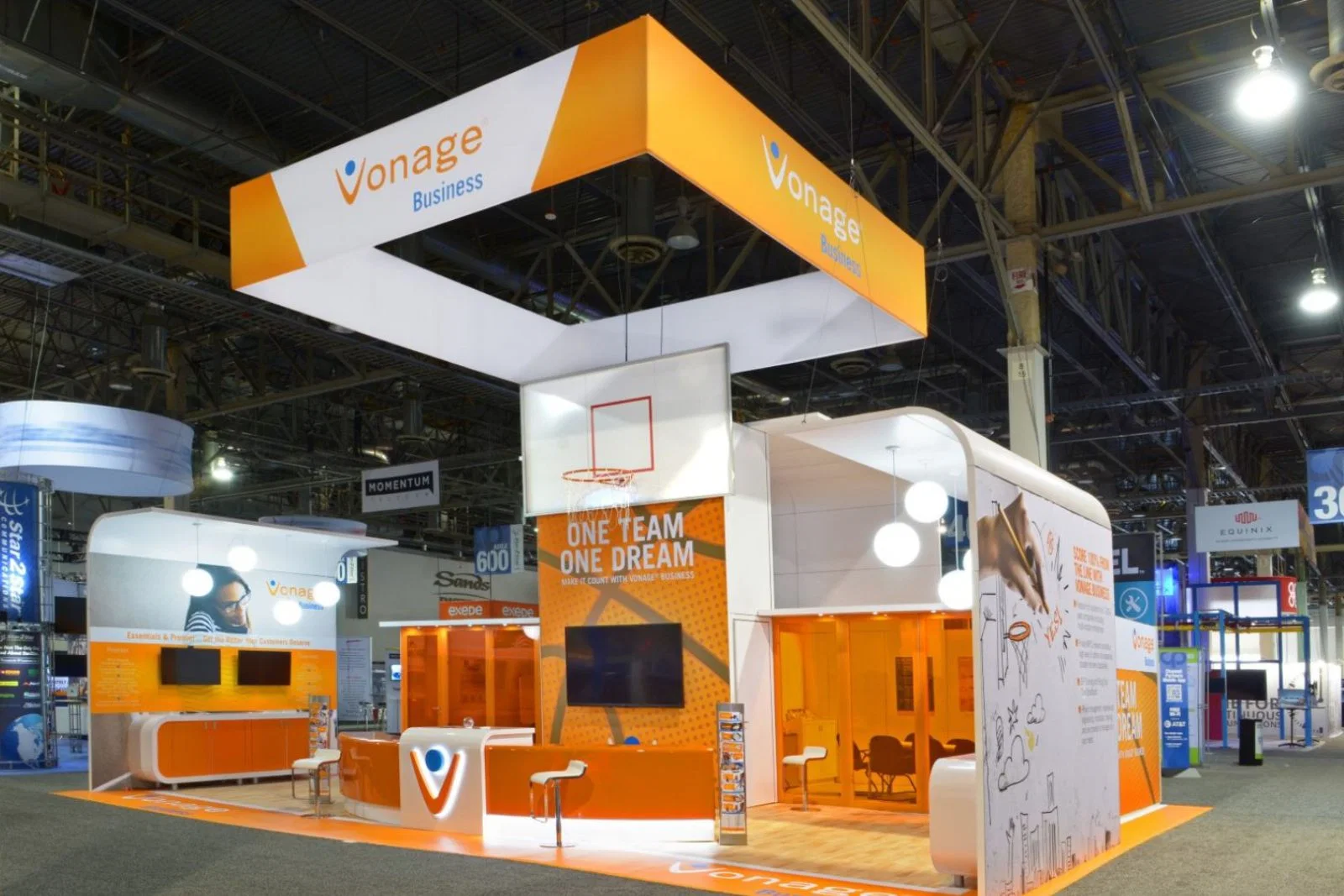
Franklin adds a legitimate surrounding-city venue cluster for corporate events, sponsor programs, and branded environments.
This city sits inside the Nashville core and inner districts cluster identified in the Nashville and Middle Tennessee market research. The strongest plans bring the management into the same conversation as Sheraton Music City Nashville Airport, routing through Antioch, and the wider Nashville core and inner districts schedule so the scope survives contact with the real room.
Execution priorities
- Match the scope to Sheraton Music City Nashville Airport or a comparable Nashville room instead of planning around an abstract floor.
- Use Antioch routing, hotel proximity, and crew travel time when setting install and strike expectations.
- Set the return path early, especially when rentals, storage, or multi-show reuse are part of the budget.
The Nashville event landscape
Nashville is a working trade show market.
The attendees vary by show — some weeks draw regional operators, others pull international buyers in for a single conference — but the floor mechanics stay consistent. Every booth needs graphics production, show services, labor calls, and a plan for the specific building it's landing in.
Nashville exhibitors tend to cluster into recurring show calendars: industry conferences that return each year, regional trade associations that rotate through the same venues, and brand-activation one-offs that piggy-back on larger events. Each pattern has its own lead-time rhythm.
Where Nashville shows cluster
The area runs through .
Operational rules on the Nashville floor
Nashville floor operations follow the venue's own manual.
Practically, that means pulling the current exhibitor manual for every show and confirming a handful of items in writing: which tasks the venue's house crews cover, which tasks the show's general contractor covers, and what an exhibitor or their appointed contractor can handle without escalation.
Nashville venues we work
A venue walk — either in person or via the published floor plan — is the step that reveals constraints no spec sheet shows. Column spacing, real ceiling height at the grid point, and dock access shape what's actually buildable.
Music City Center is one of the anchors. The official Nashville.gov department section identifies Music City Center as a Metro Nashville venue at 201 Rep. John Lewis Way South in Nashville, Tennessee 37203.
What's included in the project scope
The management projects typically include design work, fabrication or rental sourcing, graphics production, show-service paperwork, freight, install, show-hours coverage, and strike.
Good execution comes from keeping the team small and the handoffs short. Every extra vendor in the chain adds a communication layer and a place where details get lost.
Scope boundary is as important as scope inclusion. Show organizer fees, client-side staff costs, and any tools the client already owns are handled outside the engagement. Defining that boundary up front prevents billing surprises later.
What an engagement actually looks like
Every project starts with a scope conversation: the show, the venue, the booth number, the dates, and the budget frame. Ten minutes of specifics produces a better plan than a week of generalities.
After the brief, the work turns to the building itself. Dock windows, utility orders, rigging approvals, and labor calls are all confirmed in writing before anything goes to fabrication.
With venue details locked, production runs.
One named show-site lead runs the install. Not a rotating crew and not a remote account manager — one person holds the floor plan, the punch list, and the labor calls from crates to doors.
Throughout show hours, the on-site lead stays present. Tech breaks, sponsor changes, venue requests — all handled without pulling the client team off the floor.
What it costs and how fast it moves
Every project has the same cost drivers. The number depends on scope, and scope depends on a handful of specific variables.
On timing: custom builds for Nashville shows run best with 16 to 20 weeks of lead time. Rental programs run on 8 to 12. Anything inside 4 weeks is a rush, which means fewer options and a premium on materials.
How project performance gets measured
The measure of a good engagement is simple: on-time install, no venue callouts, clean show hours, and a closeout that makes the next event easier to book.
The post-show debrief is where the numbers get connected back to the physical booth. Which demo station drew traffic, which meeting area closed more conversations, which graphic zone attracted dwell time — that feedback shapes the next build rather than getting lost.
How we're built to run your project
Trade Show Services of Nashville is Nashville's local trade show team, with in-house design, fabrication, graphics, and show-site crews. One shop, one point of contact, one accountable lead on every project.
Working with a Nashville-based shop matters most when something goes wrong on-site. Solutions live within driving distance instead of on another coast.
Frequently asked questions
Do you work at the Westin Nashville?
Yes. the hotel has 12 event rooms.
How much lead time is ideal?
Custom builds run best with 16 to 20 weeks of lead time. Rentals take 8 to 12 weeks.
What information kicks off a project?
The show, the venue, the booth number, the dates, and a target budget range. From those, an initial scope and a realistic cost come back within a few days.
Who runs the booth on-site?
One named show-site lead runs the install, the show hours, and the strike. That person carries the floor plan and the punch list from crates to doors and reports up once a day.
Can the booth travel to the next city on our calendar?
Same structure, swappable graphics, standard crates.
What happens if something breaks during show hours?
The on-site lead handles it.