
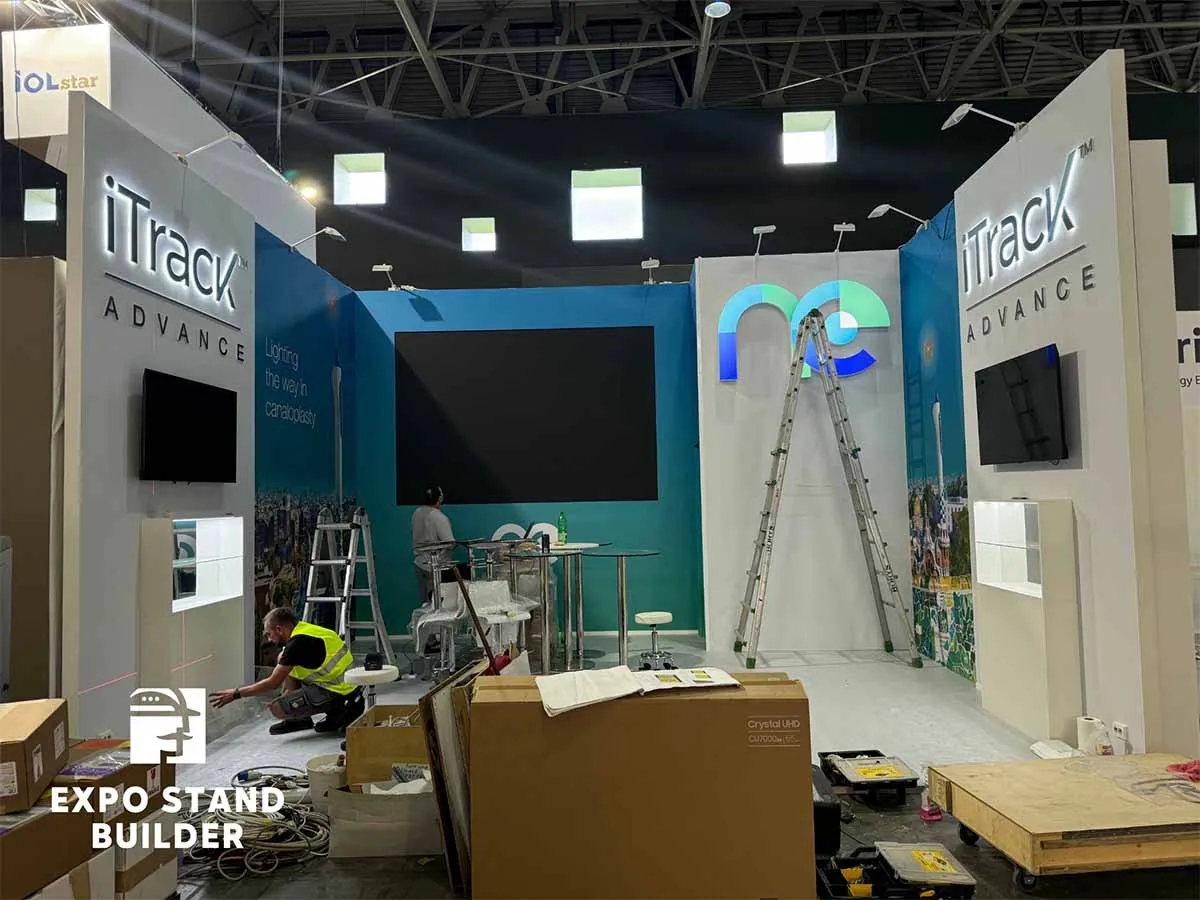
Healthcare Trade Show Services work is strongest when the message, demo style, staffing plan, and show-week operations are built together. The booth shell matters, but it is only one piece of what buyers in this category are actually trying to get right.
Nashville buyers in this lane are often comparing convention, conference, hospitality, and regional venue options while also deciding how much product proof, compliance discipline, or guest-facing polish the room has to carry.
Keeping the brief grounded in Renaissance Nashville Hotel, Spring Hill, and the broader Williamson County corridor travel pattern makes it easier to match the event environment to the expectations of the audience that shows up.
Execution priorities
- Start with the audience and demonstration style that matter in Healthcare Trade Show Services environments.
- Keep compliance-sensitive messaging aligned with what staff can actually deliver on the floor.
- Choose booth, AV, and staffing plans that fit the venue rather than forcing a generic demo model.
- Use Spring Hill travel and venue access when executives, product teams, and agencies all need to arrive ready.
- Preserve time for rehearsal, product checks, and sponsor obligations before opening.
Nashville trade show market
Scope gets tighter; standards don't.
Each pattern has its own lead-time rhythm.
Where Nashville shows actually happen
It includes 800 guest rooms and is connected to the Country Music Hall of Fame.
Renaissance Nashville Hotel. It offers over 25,000 square feet of meeting and event space.
The advantage of a local Nashville team
Working with a Nashville-based shop matters most when something goes wrong on-site. Solutions live within driving distance instead of on another coast.
Over a multi-show calendar, the compound value of a single team shows up in fewer surprises. The second install is faster than the first, the third is faster than the second, and by the fourth the project runs on memory and documentation rather than first-principles planning.
Who handles what during the Nashville install window
There is no single labor model for Nashville trade shows.
The workable version of Nashville labor planning is boring on purpose: read the manual, match the scope to its categories, order what the venue sells directly, and schedule everything else around its posted windows. Surprises almost always trace back to a step someone skipped.
The main Nashville event areas
The area runs through .
Line items on a typical project
Individual projects layer or remove items based on scope.
Out of scope by default are show organizer fees, booth lease costs paid directly to the show, staff travel and per diems, and any custom software or data-capture tooling the client runs on its own stack. Those stay on the client side and plug into the project through coordination, not rebilling.
From first call to strike
After the brief, the work turns to the building itself.
With venue details locked, production runs.
One named show-site lead runs the install.
Throughout show hours, the on-site lead stays present.
Budget and timeline
Every project has the same cost drivers.
Rental programs run on 8 to 12.
What a successful project looks like
Exhibitors who measure programs seriously track leads, floor-booked meetings, and post-show pipeline. The build and the install are upstream inputs to those KPIs.
The post-show debrief is where the numbers get connected back to the physical booth. Which demo station drew traffic, which meeting area closed more conversations, which graphic zone attracted dwell time — that feedback shapes the next build rather than getting lost.
Frequently asked questions
Do you work at Liberty Hall?
Yes. Liberty Hall is 14,400 square feet.
How much lead time is ideal?
Custom builds run best with 16 to 20 weeks of lead time. Rentals take 8 to 12 weeks.
What information kicks off a project?
The show, the venue, the booth number, the dates, and a target budget range. From those, an initial scope and a realistic cost come back within a few days.
Who runs the booth on-site?
One named show-site lead runs the install, the show hours, and the strike. That person carries the floor plan and the punch list from crates to doors and reports up once a day.
Can the booth travel to the next city on our calendar?
Same structure, swappable graphics, standard crates.
What happens if something breaks during show hours?
The on-site lead handles it.