
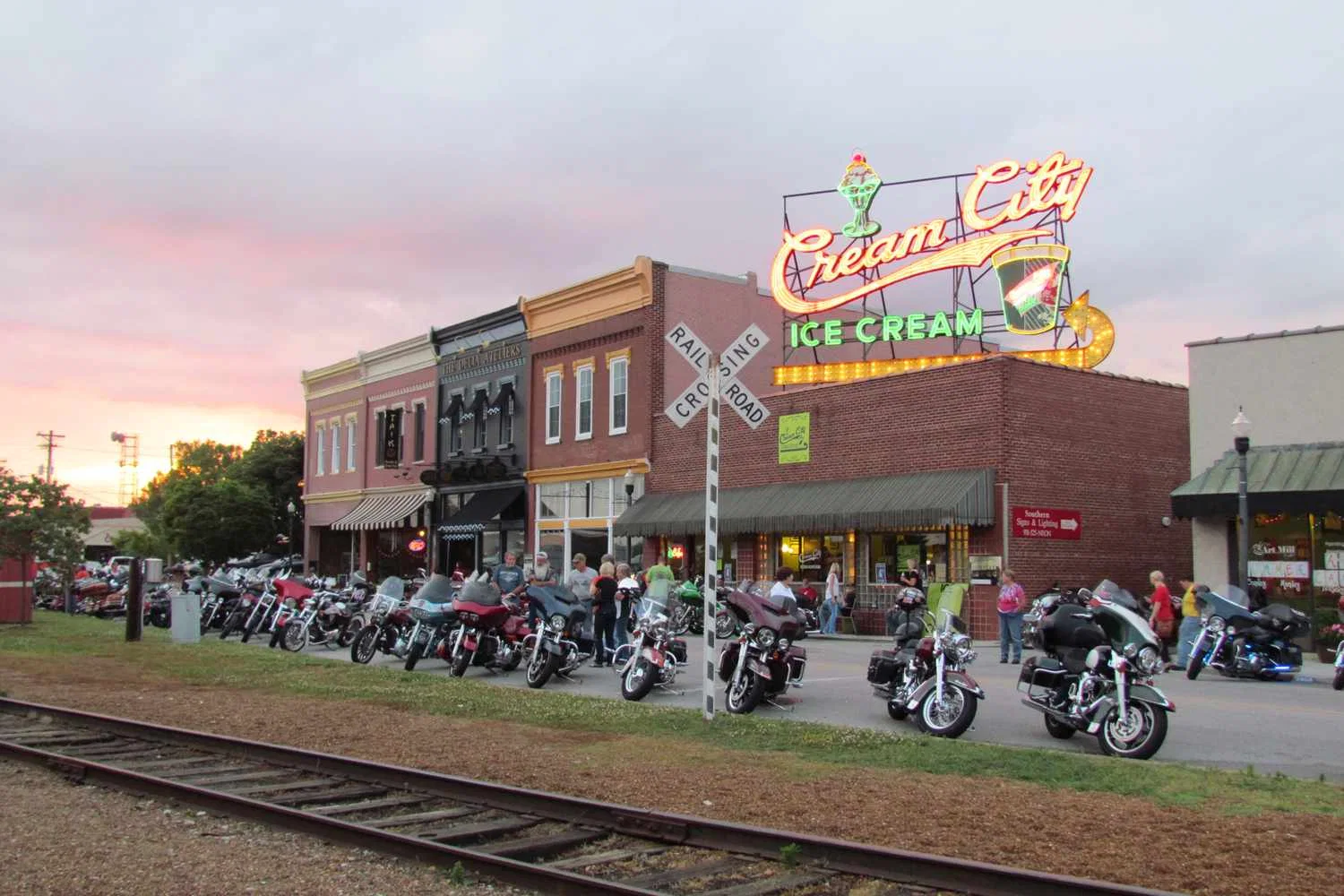
Nashville also supports larger private-event and arena-floor formats outside conventional hotel ballroom inventory. Teams looking at the cookeville are usually trying to decide whether the job belongs in the core Nashville pattern or in a regional loop that includes hotel, venue, and travel conditions outside the immediate convention footprint.
This city sits inside the South and outer regional markets cluster identified in the Nashville and Middle Tennessee market research.
Execution priorities
- Treat Cookeville as part of the South and outer regional markets network, not an isolated stop.
- Use drive time, hotel flow, and dock access to shape crew calls and client schedules.
- Plan outbound freight and next-day moves before show week compresses the calendar.
About Cookeville
Cookeville is one of the Nashville area submarkets we cover for trade show work.
Projects in the cookeville get scoped the same way as work in the Nashville core: venue, dates, footprint, and budget frame first, then the build plan. The difference is usually in freight routing and which nearby buildings are the closest fit.
Who handles what during the Nashville install window
Most of what goes wrong on a Nashville install traces back to assumptions about labor. Staying inside the venue's published rules for the specific show prevents it.
Practically, that means pulling the current exhibitor manual for every show and confirming a handful of items in writing: which tasks the venue's house crews cover, which tasks the show's general contractor covers, and what an exhibitor or their appointed contractor can handle without escalation.
Where Nashville shows actually happen
a few Nashville venues carry most of the calendar.
the plan has to match the specific building.
Music City Center. John Lewis Way South in Nashville, Tennessee 37203.
Gaylord Opryland Resort & Convention Center: the resort has 92 event rooms.
Nashville as a trade show city
Scope gets tighter; standards don't.
Each pattern has its own lead-time rhythm.
Line items on a typical project
Individual projects layer or remove items based on scope.
Out of scope by default are show organizer fees, booth lease costs paid directly to the show, staff travel and per diems, and any custom software or data-capture tooling the client runs on its own stack. Those stay on the client side and plug into the project through coordination, not rebilling.
From first call to strike
Once scope is clear, the venue work begins.
One named show-site lead runs the install.
That document drives the next booking.
Cost and lead time
Cost scales with how it is built, how big it is, what the venue charges for its own services, what the graphics look like, how far the crates travel, and how many days the team stays on-site.
Rental programs run on 8 to 12.
What a successful project looks like
Trade show ROI is measured at the lead and pipeline level.
The post-show debrief is where the numbers get connected back to the physical booth. Which demo station drew traffic, which meeting area closed more conversations, which graphic zone attracted dwell time — that feedback shapes the next build rather than getting lost.
Why Trade Show Services of Nashville
Local fabrication means real-time problem-solving. A graphic that needs to be reprinted at 6 a.m.
Clients who run repeat programs across multiple dates end up paying less per event when the same team handles everything. Less re-briefing, less re-training, less re-checking — the operational overhead drops year over year.
Frequently asked questions
Do you work at Nissan Stadium?
Yes. it is home to the Tennessee Titans.
How much lead time is ideal?
Custom builds run best with 16 to 20 weeks of lead time. Rentals take 8 to 12 weeks.
What information kicks off a project?
The show, the venue, the booth number, the dates, and a target budget range. From those, an initial scope and a realistic cost come back within a few days.
Who runs the booth on-site?
One named show-site lead runs the install, the show hours, and the strike. That person carries the floor plan and the punch list from crates to doors and reports up once a day.
Can the booth travel to the next city on our calendar?
Same structure, swappable graphics, standard crates.
What happens if something breaks during show hours?
The on-site lead handles it.