
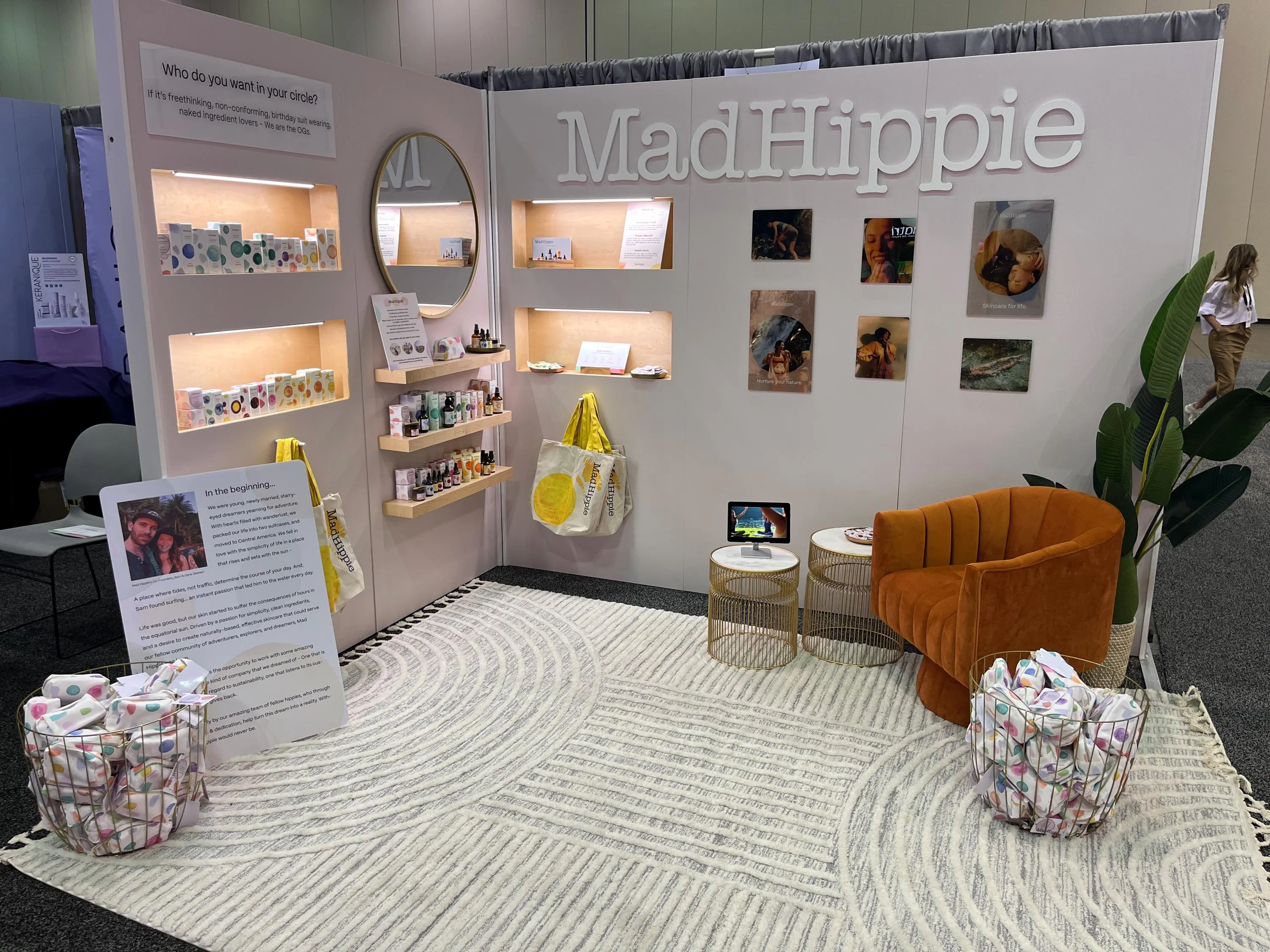
Installation and Dismantle Services usually enters the conversation before the operating path is fully settled.
Nashville also supports larger private-event and arena-floor formats outside conventional hotel ballroom inventory. It gives the services a practical operating shape so the scope is easier to quote, easier to stage, and easier to execute once show week starts moving.
This city sits inside the Williamson County corridor cluster identified in the Nashville and Middle Tennessee market research. The strongest plans bring the services into the same conversation as Bridgestone Arena, routing through Nolensville, and the wider Williamson County corridor schedule so the scope survives contact with the real room.
Execution priorities
- Keep Installation and Dismantle Services tied to freight, labor, and show-site supervision so decisions do not split across vendors.
- Use Nolensville routing, hotel proximity, and crew travel time when setting install and strike expectations.
- Set the return path early, especially when rentals, storage, or multi-show reuse are part of the budget.
Nashville trade show market
Scope gets tighter; standards don't.
Each pattern has its own lead-time rhythm.
The main Nashville event areas
form the cluster.
Who handles what during the Nashville install window
There is no single labor model for Nashville trade shows.
The workable version of Nashville labor planning is boring on purpose: read the manual, match the scope to its categories, order what the venue sells directly, and schedule everything else around its posted windows. Surprises almost always trace back to a step someone skipped.
Where Nashville shows actually happen
the plan has to match the specific building.
Grand Hyatt Nashville is one of the anchors. It is located in the SoBro district adjacent to Music City Center.
Line items on a typical project
Individual projects layer or remove items based on scope.
Out of scope by default are show organizer fees, booth lease costs paid directly to the show, staff travel and per diems, and any custom software or data-capture tooling the client runs on its own stack. Those stay on the client side and plug into the project through coordination, not rebilling.
From first call to strike
Every engagement begins the same way. From those four inputs, a real plan can be built.
Venue coordination comes next.
Install days are owned by a single on-site lead.
During show hours, the booth is a live operating space.
That document drives the next booking.
Budget and timeline
Cost scales with how it is built, how big it is, what the venue charges for its own services, what the graphics look like, how far the crates travel, and how many days the team stays on-site.
Lead time drives everything. Custom: 16 to 20 weeks. Rental: 8 to 12.
Outcomes we optimize for
Trade show ROI is measured at the lead and pipeline level.
A week after the show, the booth's actual floor performance is already clearer than any pre-show projection. We document those observations alongside the technical closeout so the next cycle inherits real signal, not nostalgia.
The advantage of a local Nashville team
Trade Show Services of Nashville keeps the work local.
The difference from a national vendor shows up at the dock.
Frequently asked questions
Do you work at Nashville Municipal Auditorium?
Yes.
How much lead time is ideal?
Custom builds run best with 16 to 20 weeks of lead time. Rentals take 8 to 12 weeks.
What information kicks off a project?
The show, the venue, the booth number, the dates, and a target budget range. From those, an initial scope and a realistic cost come back within a few days.
Who runs the booth on-site?
One named show-site lead runs the install, the show hours, and the strike. That person carries the floor plan and the punch list from crates to doors and reports up once a day.
Can the booth travel to the next city on our calendar?
Same structure, swappable graphics, standard crates.
What happens if something breaks during show hours?
The on-site lead handles it.